How to Choose Pool Landscaping Lights in Anaheim, CA
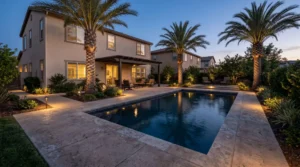
Have you been dreaming of adding sophistication and elegance to your pool area? Pool landscaping lights are a great way to do just that. Not only do they add beauty and warmth, but they also provide an array of practical benefits.
If you’re new to outdoor lighting, choosing the best lights for your landscape design can feel intimidating. With so many options available, selecting the right products for your project requires careful consideration. To help you make an informed decision, we’ve created this guide with useful tips for choosing swimming pool landscaping lights in Anaheim CA that meet your needs while enhancing your outdoor living space.
Consider the Purpose of Your Pool Lights
When choosing pool lights, it’s essential to consider the purpose they will serve. Will they primarily enhance the ambiance of your outdoor space, or is safety your main priority? Perhaps you want both. Understanding your goals will help you select the right lighting solutions to achieve your desired atmosphere.
If safety is your primary concern, choose pool lights that provide clear visibility. This is especially important if you regularly use your pool at night. Installing lights around the perimeter of your pool and inside the water can help make the pool more visible in low-light conditions. Choosing energy-efficient LED pool lights with appropriate brightness can also support visibility while reducing energy consumption. Consulting a professional can help you select suitable lighting for your family and guests.
If you want to enhance the ambiance of your backyard, you might prefer decorative lights that create a warm atmosphere. Colored LED lights, for example, can add a distinctive look to your outdoor space. Options range from automated pool lights with adjustable colors to lights that change colors according to your preferences. The right pool lighting can transform your pool area into a relaxing oasis at night.

Choose the Right Type of Light
When choosing lighting for your pool landscape, there are several options to consider. LED, halogen, and incandescent lights are common choices, each offering different features and benefits. To make an informed decision, consider the following characteristics.
LED lights are popular because of their energy efficiency, longevity, and durability. They consume less electricity than traditional halogen or incandescent lights, potentially reducing long-term energy costs. They also produce less heat and are available in designs suited to outdoor environments.
Halogen lights provide bright illumination with a warm tone that can create an inviting ambiance. Their replacement bulbs are available in different sizes and shapes to suit various fixtures. However, halogen lights generally consume more energy and have a shorter lifespan than LED alternatives.
Incandescent lights provide a traditional warm, orange glow. They are often inexpensive to purchase and can be dimmed to create different moods. However, they are relatively inefficient and consume more energy compared with LED lighting.
Selecting the right type of light for your pool landscape plays an important role in achieving the desired ambiance, functionality, and energy efficiency. By comparing the advantages and disadvantages of LED, halogen, and incandescent lights, you can choose an option that suits your needs and preferences.
Think About the Location and Angle of Lighting
Lighting is an important part of a pool landscape’s functionality and appearance. The location and angle of each fixture can significantly affect the look and feel of your pool area. Choosing suitable lighting and positioning it appropriately can help create the right ambiance for your outdoor space.
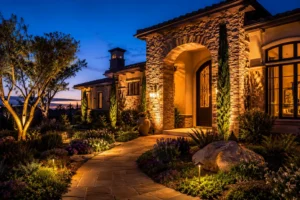
One option is to use landscape lights mounted in decking. These fixtures can be positioned to highlight specific features, such as pool steps, fountains, and waterfalls, while creating a welcoming atmosphere.
Hanging lights from trees can add charm and elegance to the surrounding area. They can create a cozy setting for evening entertaining or provide soft illumination around the pool. Pool landscaping lights mounted on stands offer flexibility, allowing you to reposition fixtures and adjust lighting angles as needed.
Considering the location and angle of your lighting helps create a balanced and well-lit outdoor space. By using different lighting options and positioning fixtures thoughtfully, you can transform your pool area into an inviting setting for summer gatherings or relaxing evenings with family and friends.
Pool Landscape Lighting
Choose a Color Temperature That Suits Your Pool Area
Choosing the right color temperature can transform your pool area by creating an inviting atmosphere that suits your outdoor space. Common color temperatures for landscape lighting include 2700K, 3000K, and 4000K. Each produces a different visual effect.
A 2700K light produces a warm, yellowish glow that is commonly used in residential settings. It creates a cozy and relaxing ambiance, making it suitable for outdoor living spaces.
A 3000K light produces a warm-white glow that can feel slightly brighter and more neutral than 2700K lighting. It creates a welcoming atmosphere and can complement a range of outdoor designs.
A 4000K light produces a cooler, neutral-white appearance. This option can work well in pool areas surrounded by vegetation, helping green foliage appear crisp and vibrant.
When choosing a color temperature, consider the mood you want to create and the surroundings of your pool. The selected temperature should complement nearby light sources and the overall landscape design. Choosing an appropriate color temperature can improve the visual appeal of your pool area and create a welcoming outdoor environment.
Select the Right Brightness Level for Optimal Illumination
Choosing the right brightness level for pool landscaping lights is important for improving the appearance, functionality, and usability of your pool area. Appropriate illumination can help highlight landscape features and create an inviting outdoor living space.
One factor to consider is the location of the lighting fixtures. Different areas of your pool landscape require different levels of illumination depending on their purpose, surrounding conditions, and existing light sources. Consider the direction and angle of each fixture, as well as its distance from the area you want to illuminate.
The type of bulb also affects brightness and light quality. Halogen and incandescent bulbs produce different lighting characteristics, while LED options are available in a wide range of brightness levels and color temperatures. Choose fixtures that provide suitable illumination for your specific needs without creating excessive glare.
Selecting the right brightness level helps you highlight important features, improve visibility, and enhance the appearance of your pool area. Whether you want a relaxing retreat or an outdoor entertaining space, evaluate your lighting requirements carefully. A professional lighting designer or landscaper can help you choose suitable fixtures and brightness levels.
Pool Lighting Service
Install Lights at an Appropriate Distance from Water
When installing pool landscaping lights, one of the most important considerations is the distance between the fixtures and the water. Proper placement is essential for safety, effective illumination, and protecting the lighting equipment.
The type of fixture, pool dimensions, and surrounding layout all influence where lights should be installed. Different lighting systems have different installation requirements, so placement should follow the manufacturer’s instructions and applicable electrical safety codes. Working with a qualified pool lighting professional can help ensure that the installation meets the relevant requirements.
Glare and reflections are also important considerations. The position and angle of each fixture can affect how light reflects off the water and surrounding surfaces. Carefully positioning the lights can help reduce unwanted glare and create a more comfortable lighting environment.
With appropriate pool lighting, you can appreciate the beauty of your backyard while improving nighttime visibility and creating an inviting atmosphere for gatherings or relaxation.
When choosing lights for your swimming area, consider their purpose, type, color temperature, brightness, and placement. Proper installation is also essential for achieving effective illumination while maintaining safety. By evaluating these factors and seeking professional guidance when needed, you can select pool landscaping lights that enhance your outdoor space and suit your needs.