Outdoor Landscape Lighting Fixture Design That Elevates Beauty
Outdoor landscape lighting fixture design plays a defining role in how exterior spaces are experienced after dark. The right fixture design shapes the mood, directs attention, and creates visual harmony throughout the landscape. Rather than focusing only on brightness, thoughtful fixture design considers how light interacts with natural and built elements.
When outdoor landscape lighting fixture design is approached with intention, the result feels cohesive and refined. Fixtures become subtle design elements that support the environment rather than dominate it. This balance is what separates professional lighting design from generic installations that rely on mismatched or overly prominent fixtures.
The Relationship Between Fixture Design and Light Quality
Fixture design directly affects how light is distributed across a space. The shape, finish, and orientation of fixtures determine beam spread, intensity, and visual comfort. Outdoor landscape lighting fixture design ensures light is delivered precisely where it is needed without unnecessary glare or harsh contrasts.
Well-designed fixtures guide the eye gently across the landscape. They highlight textures, contours, and focal points while maintaining a sense of calm. This level of control allows lighting to enhance natural beauty rather than overwhelm it.
Creating Visual Balance Across Outdoor Spaces
Balance is a core principle of outdoor landscape lighting fixture design. Fixtures must be placed in a way that distributes light evenly while maintaining visual rhythm. Too many fixtures in one area can feel cluttered, while too few leave spaces underutilized.
Designers consider spacing, height, and alignment to achieve consistency. Fixtures are chosen to complement each other in style and scale, ensuring the overall design feels intentional. This balance supports both aesthetics and functionality throughout the landscape.
Enhancing Natural Features With Thoughtful Fixture Selection
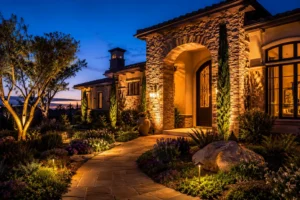
Outdoor landscapes often include trees, shrubs, pathways, and architectural details that deserve attention. Outdoor landscape lighting fixture design highlights these elements subtly, allowing them to stand out without appearing artificially lit.
Fixtures with controlled beam angles can accentuate tree canopies or textured surfaces, while low-profile designs blend seamlessly into the surroundings. This approach preserves the natural character of the landscape while adding depth and dimension after dark.
Supporting Safety Through Functional Design
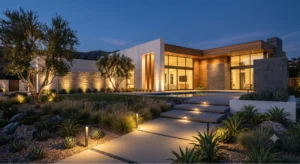
While aesthetics are important, safety remains a key consideration. Outdoor landscape lighting fixture design supports safe navigation by illuminating pathways, steps, and transitions. Fixtures are selected to provide sufficient light coverage without creating glare that could impair visibility.
Functional lighting does not need to look utilitarian. Well-designed fixtures combine practicality with style, ensuring safety features integrate naturally into the overall design. This combination enhances usability without compromising visual appeal.
Material Choices and Durability
Outdoor environments demand durable materials. Outdoor landscape lighting fixture design prioritizes materials that withstand weather exposure while maintaining appearance over time. Finishes are selected to resist corrosion and fading, ensuring fixtures age gracefully.
Durability also contributes to sustainability. Long-lasting fixtures reduce replacement frequency and maintenance demands. This longevity supports both environmental responsibility and long-term cost efficiency.
Integrating Fixture Design With Architectural Style
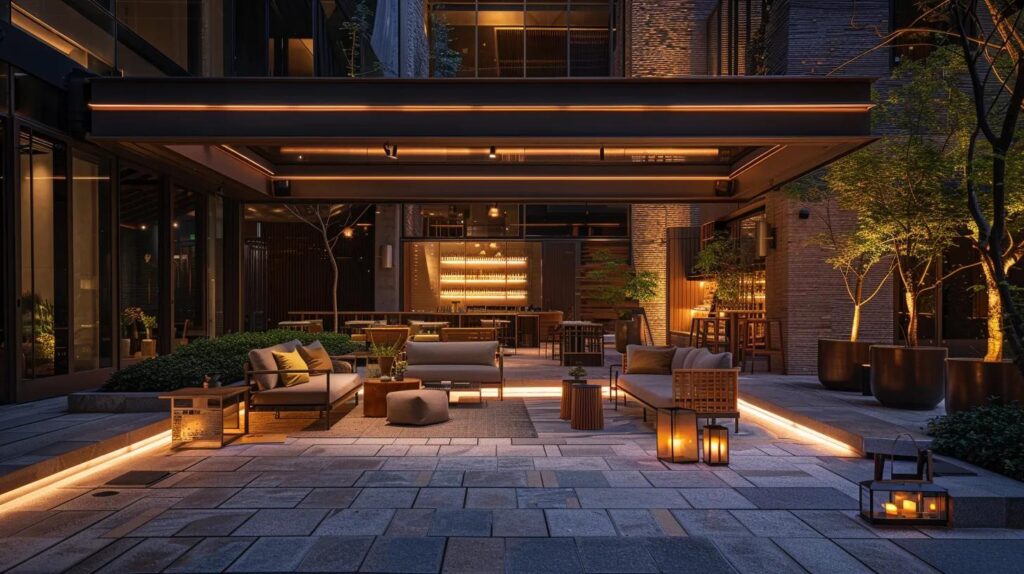
Landscape lighting should align with the architectural style of the property. Outdoor landscape lighting fixture design considers building materials, lines, and colors when selecting fixtures. This alignment creates a seamless transition between indoor and outdoor environments.
Modern properties may benefit from minimalist fixture designs, while traditional settings often call for classic forms. By matching fixture style to architectural character, lighting enhances cohesion and reinforces the property’s identity.
Flexibility for Different Uses and Occasions
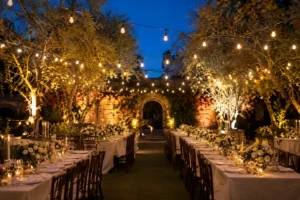
Outdoor spaces serve multiple purposes, from quiet relaxation to social gatherings. Outdoor landscape lighting fixture design supports this versatility by allowing flexibility in lighting intensity and focus. Fixtures can be positioned to create zones that adapt to different activities.
Professionally designed systems often accommodate adjustments without altering fixture placement. This adaptability ensures the landscape remains functional and inviting for everyday use as well as special occasions.
Avoiding Common Fixture Design Mistakes
Poor fixture design can detract from an otherwise beautiful landscape. Oversized fixtures may dominate the space, while inconsistent styles create visual noise. Outdoor landscape lighting fixture design avoids these pitfalls by emphasizing restraint and consistency.
Professionals evaluate sightlines and viewing angles to ensure fixtures remain discreet. The goal is for the light effect to be noticed rather than the fixture itself. This subtlety is a hallmark of refined design.
The Value of Professional Design Expertise
Professional expertise elevates outdoor landscape lighting fixture design. Designers understand how fixture choice influences the overall experience of a space. They anticipate how landscapes evolve over time and select fixtures that remain effective as plants mature.
Reviewing curated examples of completed lighting designs through a professional project showcase can help property owners understand the impact of thoughtful fixture selection. These examples demonstrate how design decisions translate into real-world results.
Long-Term Performance and Maintenance Considerations
Effective fixture design also considers maintenance. Outdoor landscape lighting fixture design prioritizes accessibility and reliability, making it easier to maintain consistent performance. Fixtures are positioned to minimize interference from plant growth and debris.
This foresight reduces ongoing maintenance challenges and ensures lighting systems remain dependable. Long-term performance reinforces the value of investing in professional design from the outset.
Designing With Industry Standards in Mind
Professional fixture design aligns with established lighting principles. Organizations such as the Illuminating Engineering Society provide guidelines that inform effective lighting strategies. These standards help designers balance aesthetics, safety, and efficiency.
By applying these principles, outdoor landscape lighting fixture design achieves results that are visually pleasing and technically sound. This foundation supports consistent quality across different environments.
A Refined Approach to Outdoor Illumination
Outdoor landscape lighting fixture design transforms exterior spaces into cohesive and inviting environments. Through careful selection, placement, and integration, fixtures enhance beauty while supporting functionality. When design is guided by expertise and intention, lighting becomes an integral part of the landscape rather than an afterthought.
Ultimately, outdoor landscape lighting fixture design reflects a commitment to quality and attention to detail. With the right approach, outdoor spaces remain elegant, safe, and welcoming long after the sun goes down.